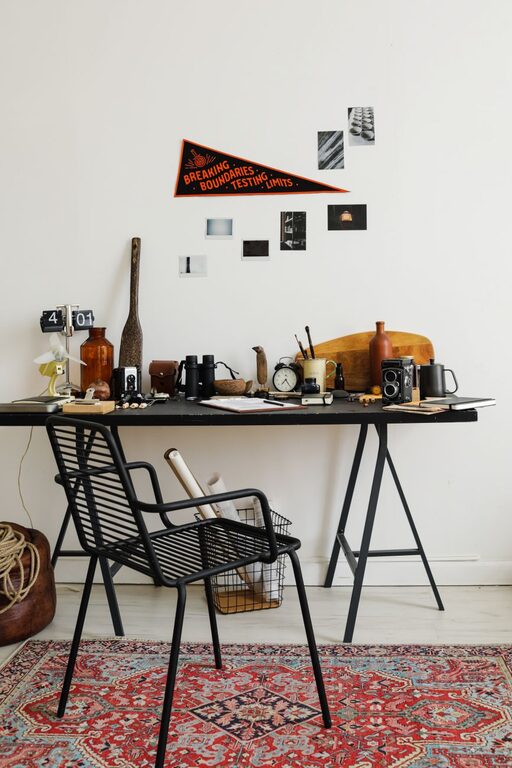
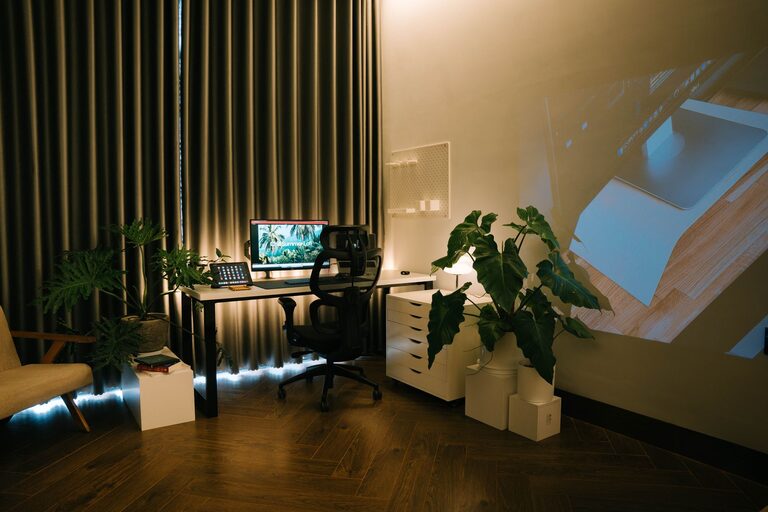
Creating a relaxing home workspace is essential for maintaining focus and reducing stress while working from home. Whether you’re a remote employee, freelancer, or simply need a quiet spot for personal projects, a calm and organized environment can make a huge difference in your productivity and overall well-being.
In this post, we’ll explore practical steps to help you design a relaxing home office that supports both comfort and efficiency.
Why a Relaxing Workspace Matters
A cluttered or chaotic workspace can increase stress and make it harder to concentrate. On the other hand, a well-designed, soothing environment encourages mindfulness and creativity. This balance is key to working efficiently without feeling overwhelmed.
Choosing the Right Location
Find a Quiet Spot
Select a space with minimal noise and distractions. This could be a spare room, a corner of the living room, or a section of a bedroom. If possible, choose an area away from heavy foot traffic and household noise.
Consider Natural Light
Natural light has many benefits, including boosting mood and reducing eye strain. Set up your workspace near a window to take advantage of daylight. If natural light is limited, invest in soft, warm artificial lighting to create a cozy atmosphere.
Designing Your Workspace
Keep It Organized
Clutter can quickly turn a relaxing space into a stressful one. Use storage solutions like shelves, drawers, and organizers to keep your desk tidy. Regularly declutter to maintain a clean environment.
Choose Comfortable Furniture
Invest in an ergonomic chair and a desk at the right height to support good posture. Comfort is crucial for long working hours and contributes to a more relaxed mindset.
Add Personal Touches
Incorporate elements that make you feel calm and inspired, such as artwork, plants, or meaningful objects. These personal touches help make the space inviting and uniquely yours.
Incorporating Calming Elements
Use Soothing Colors
Colors impact mood significantly. Shades of blue, green, or neutral tones are known for their calming effects. Choose paint, decor, or accessories in these colors to create a peaceful vibe.
Bring in Nature
Indoor plants improve air quality and add a refreshing touch to your workspace. Consider easy-care plants like succulents, snake plants, or pothos to bring life and serenity to your desk or room.
Use Aromatherapy
Essential oils like lavender, chamomile, or eucalyptus can promote relaxation. Use a diffuser or scented candles to subtly fill the space with calming aromas.
Establishing Healthy Routines
Take Regular Breaks
Step away from your desk every hour to stretch or take a short walk. Breaking up your workday helps reduce fatigue and maintains mental clarity.
Set Boundaries
Define your work hours and stick to them. Having a clear start and end time creates structure and prevents burnout.
Practice Mindfulness
Incorporate brief mindfulness exercises or deep breathing during breaks. This practice helps reduce stress and improves focus.
Optimizing Technology
Manage Screen Glare
Position your monitor to avoid glare from windows or lights. Use an anti-glare screen protector if needed to reduce eye strain.
Keep Cables Organized
Tidy cables with clips or sleeves to prevent a messy look and reduce distractions.
Use Headphones
Noise-canceling headphones or earbuds can help block out background noise and immerse you in your work.
Final Thoughts
Creating a relaxing home workspace takes thoughtful planning but offers significant benefits for productivity and well-being. By choosing the right location, organizing your space, incorporating calming elements, and embracing healthy routines, you can build an environment that supports both your professional and personal needs.
Start small with one or two changes, and gradually tailor your workspace until it feels like your ideal work haven. Your mind and body will thank you!
About the Author