Starting a small herb garden indoors is a rewarding way to bring fresh flavors into your kitchen and add a touch of greenery to your living space. Whether you have a sunny windowsill or just a corner in your home, growing herbs indoors is approachable for beginners and experienced gardeners alike. In this guide, we’ll walk you through everything you need to know to start your own indoor herb garden successfully.
Why Grow Herbs Indoors?
Growing herbs indoors offers several benefits:
– Freshness: Harvest herbs anytime for cooking or garnishing.
– Convenience: No need to step outside, especially in bad weather.
– Aesthetic: Indoor plants brighten up your home environment.
– Cost-effective: Save money by growing your own instead of buying fresh herbs.
Choosing the Right Herbs for Indoor Growth
Not all herbs thrive indoors, so it’s important to select varieties that handle indoor conditions well. Some popular, beginner-friendly herbs include:
– Basil: Loves warmth and sunlight; great for cooking.
– Parsley: Tolerates moderate light and is easy to grow.
– Mint: Grows quickly but can spread, so plant it separately.
– Chives: Requires bright light and minimal care.
– Thyme: Prefers sunny spots; drought tolerant.
– Cilantro: Likes cooler temperatures and plenty of light.
– Oregano: A hardy herb that adapts well indoors.
Selecting Containers and Soil
Containers
Choose pots with drainage holes to prevent waterlogging, which can cause root rot. You can use:
– Terracotta or ceramic pots
– Plastic pots
– Recycled containers repurposed as plant pots
Make sure the pots are the right size—usually 4 to 6 inches in diameter for a single herb plant.
Soil
Use a high-quality potting mix formulated for indoor plants or herbs. Avoid garden soil, which can compact and may contain pests. Look for:
– Good drainage properties
– Lightweight texture
– Nutrient content suitable for herbs
Finding the Perfect Spot for Your Herb Garden
Most herbs need plenty of sunlight, ideally 6 to 8 hours a day. Here are some placement tips:
– Windowsills: South or west-facing windows get the most sun.
– Under grow lights: If natural light is limited, invest in LED grow lights.
– Avoid drafts: Keep plants away from heating vents, air conditioners, or drafty windows.
– Rotate regularly: Turn your plants periodically so they grow evenly.
How to Plant Your Herb Garden
Follow these steps to get started:
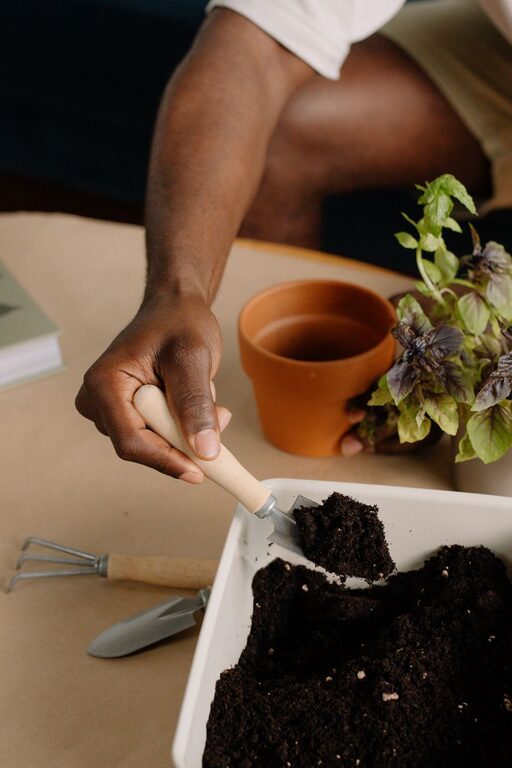
- **Fill the pots:** Add potting soil to the containers, leaving about an inch from the rim.
- **Plant seeds or seedlings:** If starting from seeds, follow packet instructions on depth and spacing. If using seedlings, gently loosen roots before planting.
- **Water lightly:** Moisten the soil without soaking it.
- **Label your herbs:** Use markers to remember which plant is which.
Caring for Your Indoor Herb Garden
Watering
Herbs prefer moist but not soggy soil. Check the top inch of soil—if it feels dry, it’s time to water. Overwatering can damage roots, so ensure excess water drains out.
Feeding
Use a diluted, balanced liquid fertilizer every 4 to 6 weeks. Avoid over-fertilizing as it can reduce herb flavor.
Pruning and Harvesting
Regularly trim your herbs to encourage bushy growth and prevent flowering, which can reduce leaf flavor. Harvest by pinching leaves or cutting stems just above a leaf node.
Pest Management
Indoor herbs can attract pests like aphids or spider mites. If you notice pests:
– Wipe leaves with a damp cloth.
– Use gentle insecticidal soap if needed.
– Ensure good air circulation around plants.
Troubleshooting Common Problems
– Yellowing leaves: May indicate overwatering or poor drainage.
– Leggy growth: Usually caused by insufficient light.
– Wilting: Could be underwatering or root issues.
– Slow growth: Check for proper soil, light, and feeding.
Tips for Success
– Start small with a few herbs you use often.
– Keep notes on watering and growth to learn what works best.
– Enjoy the process and experiment with different herbs.
Conclusion
Starting a small herb garden indoors is easier than many think and can bring fresh ingredients straight into your kitchen all year round. With the right herbs, containers, soil, and care, you’ll enjoy the satisfaction of nurturing your indoor green space and harvesting flavorful herbs whenever you need them.
Happy gardening!
About the Author