Planning balanced meals can sometimes feel overwhelming, especially with busy schedules and countless food choices. However, creating nutritious and tasty meals doesn’t have to be stressful. With a few simple strategies, you can make meal planning a breeze while ensuring your diet stays healthy and enjoyable.
Why Balanced Meals Matter
Balanced meals provide the right mix of nutrients—carbohydrates, proteins, fats, vitamins, and minerals—that your body needs for energy, growth, and overall well-being. Eating a variety of foods helps maintain stable energy levels and supports good health over time.
Steps to Plan Balanced Meals Without Stress
1. Understand the Basics of a Balanced Plate
A simple way to plan meals is to visualize your plate:
– Half the plate filled with vegetables and fruits: These provide fiber, vitamins, and minerals.
– A quarter of the plate with lean protein: Options include poultry, fish, beans, tofu, or eggs.
– A quarter of the plate with whole grains or starchy vegetables: Whole wheat bread, brown rice, quinoa, or sweet potatoes are great choices.
– Add a small portion of healthy fats: Olive oil, nuts, seeds, or avocado enhance flavor and help nutrient absorption.
This model, often called the “plate method,” is a straightforward guideline that helps balance your meals naturally.
2. Plan Your Meals Around What You Enjoy
Stress-free meal planning becomes easier when you focus on foods you like. Take a few minutes to list your favorite healthy ingredients or dishes. This way, your meals will feel less like chores and more like treats.
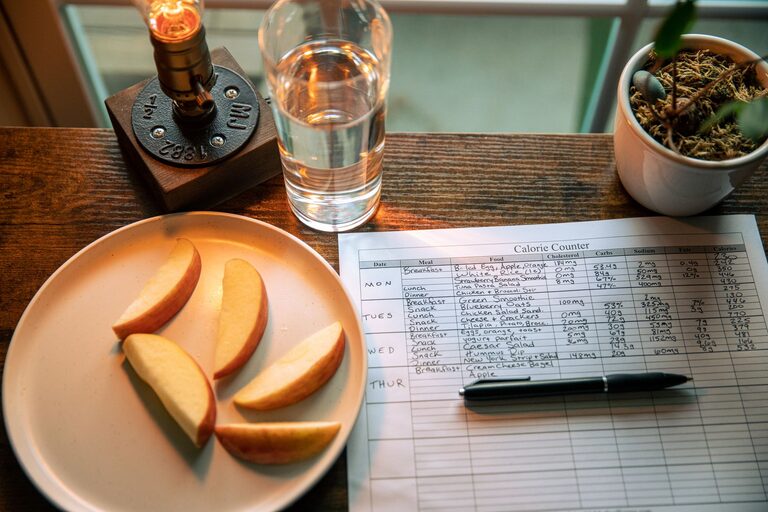
3. Keep a Weekly Meal Planner
Creating a weekly meal plan saves time and prevents last-minute decisions. Writing down your meals helps you organize grocery shopping and reduces the temptation to choose less nutritious options.
Try this simple framework:
– Monday: Grilled chicken with quinoa and steamed broccoli
– Tuesday: Vegetable stir-fry with tofu and brown rice
– Wednesday: Baked salmon, roasted sweet potatoes, and a side salad
– Thursday: Bean chili with mixed vegetables
– Friday: Whole wheat pasta with tomato sauce and lean ground turkey
– Saturday: Homemade veggie pizza on whole grain crust
– Sunday: Omelet with spinach and whole grain toast
4. Prep Ahead to Save Time
Meal prep is a powerful way to reduce daily cooking stress. When you have extra time, chop vegetables, cook grains, or prepare proteins in advance. Store them in airtight containers for quick assembly during the week.
Tips for effective meal prep include:
– Wash and cut fruits and veggies right after shopping.
– Cook grains like rice or quinoa in larger batches.
– Use versatile proteins that work in multiple meals.
– Freeze portions to keep ingredients fresh longer.
5. Use Simple, Flexible Recipes
Choose recipes with few ingredients and easy steps. This reduces confusion and cooking time. For example, a stir-fry or sheet-pan meal can be customized with whatever vegetables and proteins you have on hand.
6. Incorporate Snacks Wisely
Balanced eating isn’t just about main meals. Healthy snacks between meals can keep energy steady and prevent overeating later. Opt for snacks that combine protein and fiber, like apple slices with peanut butter or Greek yogurt with berries.
7. Listen to Your Body
While planning is important, it’s also helpful to stay flexible. Sometimes your body craves more carbs or fats, and that’s okay. Honor your hunger and fullness cues, and adjust your plans as needed.
Tips to Make Meal Planning Easier
– Shop with a list: This prevents impulse buys and ensures you get everything you need.
– Stock your pantry: Keep staples like canned beans, whole grains, and spices ready for quick meals.
– Try batch cooking: Preparing larger amounts saves cooking effort and provides leftovers for another day.
– Rotate your recipes: This keeps meals interesting and prevents boredom.
– Use technology: Apps and websites can offer meal ideas and grocery lists tailored to your preferences.
Common Challenges and How to Overcome Them
Challenge: Limited Time to Cook
– Solution: Focus on quick recipes that take 30 minutes or less. Use kitchen tools like slow cookers or pressure cookers to simplify cooking.
Challenge: Picky Eaters or Dietary Restrictions
– Solution: Adapt meals by swapping ingredients. For example, use plant-based proteins if avoiding meat or gluten-free grains as needed.
Challenge: Sticking to a Budget
– Solution: Plan meals using seasonal produce and affordable staples like beans and oats. Preparing meals at home also saves money compared to eating out.
Final Thoughts
Planning balanced meals without stress is achievable with a few mindful steps. Start small by using the plate method and building a simple weekly menu based on your preferences. Prep when you can and stay flexible to enjoy your meals fully. Over time, these habits will become second nature, making healthy eating easier and more enjoyable every day.
About the Author