
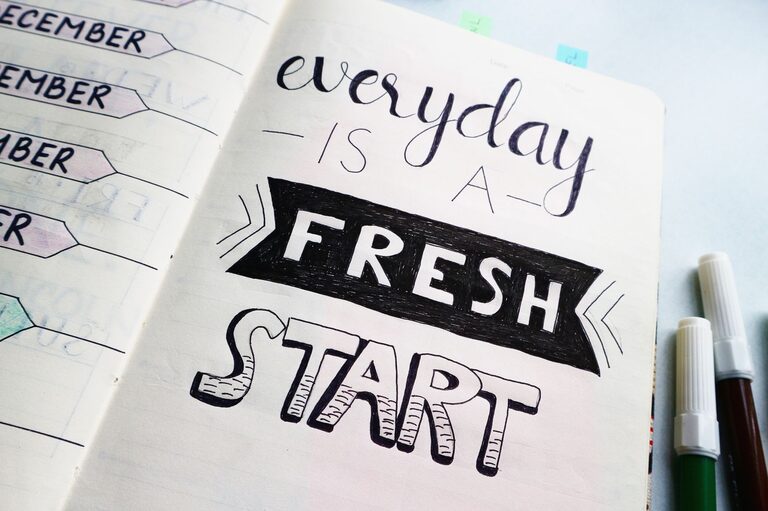
Creativity is a skill that can be nurtured and developed over time. Whether you’re an artist, writer, entrepreneur, or simply someone looking to add more innovation and joy to your life, practicing creativity every day can help unlock your potential. The good news is that you don’t need special tools or a lot of time to get started. Small, consistent actions can make a big difference.
In this post, we’ll explore simple and practical ways to practice creativity daily. These ideas are friendly for all ages and backgrounds, designed to inspire you to think differently and enjoy the creative process.
Why Practice Creativity Every Day?
Creativity isn’t just about making art or coming up with inventions. It’s about problem-solving, seeing new possibilities, and expressing yourself. Daily creative practice increases your brain’s flexibility, reduces stress, and enhances your overall well-being. Plus, it can make routine tasks more enjoyable.
Simple Ways to Practice Creativity Daily
1. Keep a Creativity Journal
Writing or sketching in a journal doesn’t need to be time-consuming or complicated. Spend 5-10 minutes each day jotting down ideas, observations, or doodles. This habit helps train your brain to notice the world differently and capture inspiration before it slips away.
Tips for your creativity journal:
– Write down 3 things you noticed today that sparked your interest.
– Draw a quick sketch of an object or scene.
– Brainstorm ideas for a project or story, no matter how small.
2. Try a Daily Creative Prompt
Using prompts can jumpstart your imagination. You can find prompts online for writing, drawing, photography, or other creative hobbies. The key is to approach the prompt with an open mind and no pressure for perfection.
Examples of prompts:
– Write a short story about an unusual friendship.
– Draw an object you use every day, but in a new style.
– Take a photo that captures a particular emotion.
3. Change Your Environment
Sometimes, creativity gets stuck because of routine surroundings. Changing your environment can inspire fresh ideas. This doesn’t mean you have to travel far—try rearranging your workspace, taking a walk in a park, or working from a café.
4. Practice Mindfulness and Observation
Creativity often comes from seeing things in new ways. Practice mindfulness by slowing down and paying close attention to your surroundings. Notice colors, textures, sounds, and smells. Mindfulness exercises can increase your awareness and feed your creative mind.
Mindfulness exercises:
– Spend five minutes focusing on your breath.
– Observe five small details around you.
– Listen carefully to ambient sounds without judgment.
5. Limit Screen Time and Unplug
Technology can be a distraction, but it can also stifle creativity if overused. Try to reduce passive screen time by setting aside certain hours as “unplugged” periods. Use this time for creative activities like reading, crafting, or brainstorming.
6. Experiment with Different Creative Activities
Creativity isn’t limited to one form. Exploring various creative outlets can keep your practice exciting and broaden your skills. If you usually write, try drawing or cooking a new recipe. If you love music, experiment with photography.
7. Embrace Mistakes and Playfulness
Creativity thrives when you allow yourself to make mistakes and have fun. Don’t worry about the outcome—focus on the process. This mindset reduces the fear of failure and opens up more possibilities for original ideas.
8. Collaborate and Share Ideas
Talking with others about your creative thoughts or working on projects together can spark new insights. Collaboration brings different perspectives and motivates you to keep creating.
9. Set Small, Achievable Goals
Goal-setting helps keep your creativity on track. Start with tiny daily goals like writing one sentence, sketching for five minutes, or brainstorming three ideas. Small wins build momentum and make creativity a habit.
10. Use Music or Movement to Inspire Creativity
Listening to music or engaging in physical activity can stimulate your brain in unique ways. Dance, stretch, or take a walk while thinking about your creative project. Let movement and rhythm unlock new ideas.
Tips for Staying Consistent
– Schedule your creative time just like any important appointment.
– Celebrate your progress, even if it feels small.
– Don’t compare yourself to others—creativity is personal.
– Keep your creative space organized and inviting.
Final Thoughts
Practicing creativity every day doesn’t have to be overwhelming. By incorporating small, enjoyable habits into your routine, you can nurture your creative skills and bring more joy and innovation into your life. Remember, creativity is a journey—not a destination. The most important thing is to keep exploring and having fun along the way.
Give a few of these simple ideas a try, and watch how your creative confidence grows day by day!
About the Author